



Who Is Prosecuting My Case in Florida?


After an arrest, a summons or a letter from investigators, one of the first questions people ask is simple: who is actually bringing this case against me? In Florida, the answer depends on where the alleged conduct happened, what law is involved and which agency investigated it. A traffic-related misdemeanor in Tampa, a fraud scheme that crosses several counties and a federal drug conspiracy can each be handled by a different prosecuting office, in a different courthouse, under different rules.
This page gives a general overview of the main prosecuting offices that handle criminal cases in the Tampa Bay area and across Florida. Every case is different, and the information here is general, not legal advice about any specific situation.
Why It Matters Who Is Prosecuting Your Case
The prosecuting office makes important decisions in a case, such as whether to file formal charges, which charges to file, what offers may be made, and whether a diversion or treatment program may be considered. Those decisions are limited by law. Where a case is heard is set by rules on jurisdiction and venue, which generally depend on where the alleged conduct took place and what law is involved, and judges oversee the case at every stage.
Knowing which office is involved helps a person and their lawyer understand the road ahead. It is also one more reason to have a lawyer handle communication with the prosecutor. What you say to anyone connected to the case can become part of the record.
State Cases: The Office of the State Attorney
Most criminal cases in Florida are state cases. Florida is divided into 20 judicial circuits, and each circuit has an elected State Attorney. The State Attorney and the Assistant State Attorneys (often called ASAs) who work for that office prosecute violations of state law that occur within the circuit.
That includes both felonies, which are heard in circuit court, and misdemeanors, which are heard in county court. Many people are surprised to learn that an arrest by a city police department, such as the Tampa Police Department or the St. Petersburg Police Department, is still generally prosecuted by the State Attorney, not by the city. The same is true for arrests by a county sheriff’s office, the Florida Highway Patrol and most other state and local agencies.
In the Tampa Bay area, two State Attorney’s Offices handle most cases:
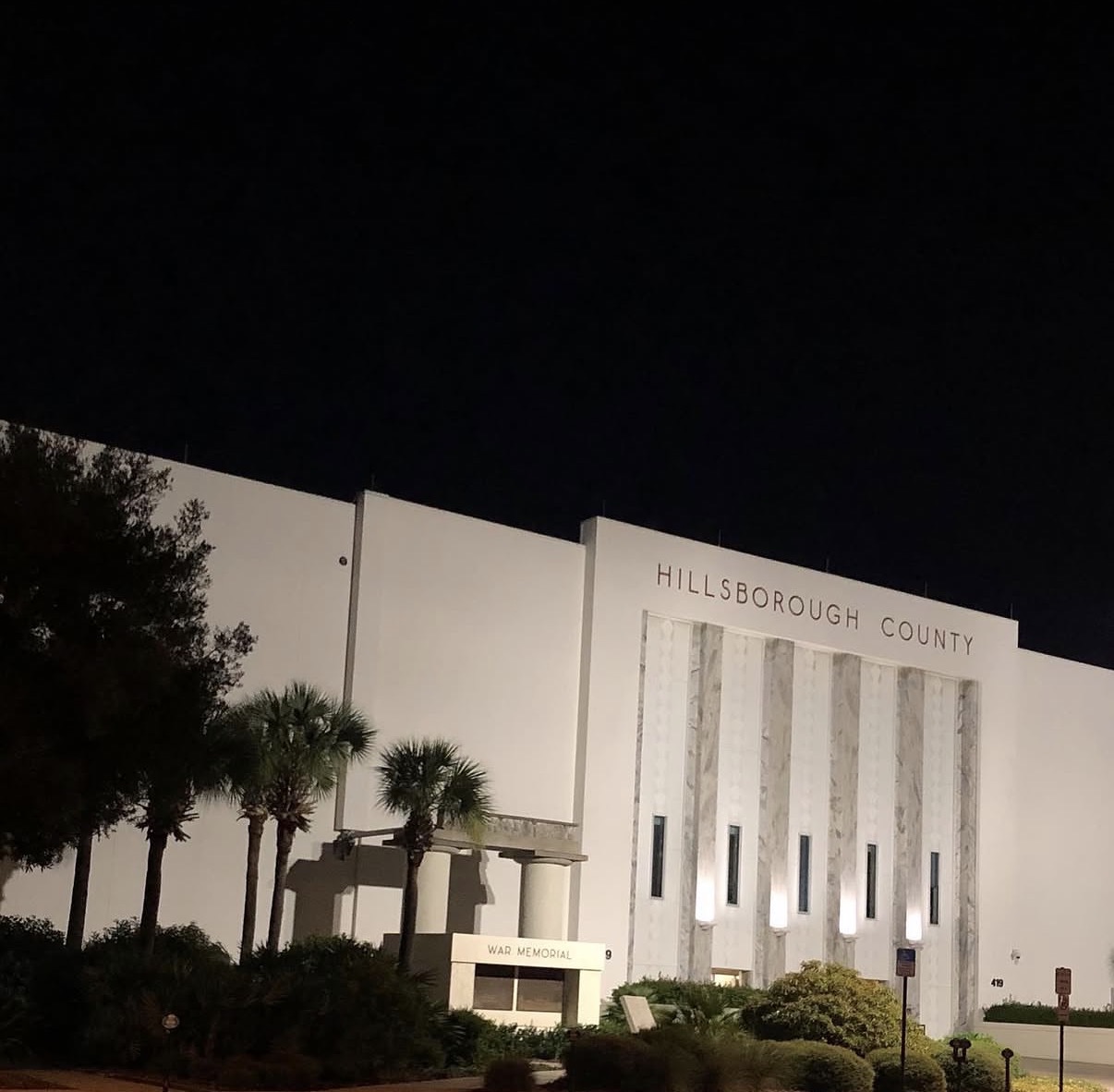
- The 13th Judicial Circuit covers Hillsborough County, including Tampa, Temple Terrace and Plant City. Learn more on our page about the 13th Circuit State Attorney’s Office.
- The 6th Judicial Circuit covers Pinellas and Pasco Counties. Learn more on our page about the 6th Circuit State Attorney’s Office.
The early stages of a state case, including first appearance in Hillsborough County, first appearance in Pinellas County, bond in Hillsborough County, bond in Pinellas County, and arraignment in Hillsborough or Pinellas, take place in the county where the case is filed. For a general explanation, see what an arraignment is in Florida.
A Note on Municipal Ordinances and County Court
Some cities and counties have local ordinances, and certain ordinance violations or civil citations may be handled differently from crimes under state law. Even so, most criminal misdemeanors heard in county court, such as many DUI, petit theft, trespass and disorderly conduct cases, are prosecuted by the State Attorney’s Office. If you are unsure what kind of case you have, a lawyer can review the paperwork and explain it.
Multi-Circuit Cases: The Office of Statewide Prosecution
Some alleged crimes do not stay within one circuit. The Office of Statewide Prosecution, part of the Florida Attorney General’s office, is authorized by section 16.56, Florida Statutes, to investigate and prosecute certain offenses when they occur in two or more judicial circuits as part of a related transaction, or are connected with an organized criminal conspiracy affecting two or more circuits.
The statute lists a range of offenses, including fraud, drug crimes, racketeering, money laundering, computer-related crimes, and certain crimes facilitated by the internet. Learn more on our page about the Office of Statewide Prosecution, and see our pages on White Collar and Financial Crimes, Drug Charges and RICO conspiracy charges in Florida.
Federal Cases: Assistant United States Attorneys
When a case involves federal law, it is generally prosecuted by an Assistant United States Attorney (AUSA) in the U.S. Attorney’s Office for the district where the case is filed. Florida has three federal districts: the Middle, Southern and Northern Districts. Cases in the Tampa area are generally part of the Middle District of Florida, with federal court in downtown Tampa at the Sam M. Gibbons U.S. Courthouse.
Federal cases may also involve Justice Department attorneys in Washington, D.C., who may work alongside local AUSAs on certain types of cases, such as complex fraud, computer crime, drug trafficking and money laundering, and public corruption. Learn more on our page about federal prosecutors in Florida, and see Federal Offenses, the Middle District of Florida, the Southern District of Florida and what happens after a federal arrest in Florida.
Can More Than One Office Be Involved?
Yes. The same set of events can sometimes lead to interest from both state and federal authorities, and investigations may involve several agencies at once. A case may start in one office and later be taken over, dismissed or refiled by another. Federal cases can also be charged in a district far from where a person lives. For example, see our posts on federal drug conspiracy charges in Tampa and federal drug conspiracy charges across Florida.
How to Find Out Who Is Prosecuting Your Case
Court paperwork usually identifies the prosecuting office. The charging document, court notices and the case number can all point to whether the case is a state case in a particular county, a statewide prosecution or a federal case. A lawyer can review these documents, check the court record and confirm which office is involved. A lawyer also handles communication with the prosecutor on your behalf.
If no charges have been filed yet, but you have received a call from an agent, a subpoena or a federal target letter, it may not yet be clear which office is involved. If you face any stop, search, seizure, inquiry, investigation, arrest or target letter, contact a lawyer.
How Attorney Ron Frey Can Help
Attorney Ron Frey has been practicing law for over two decades and represents people in state courts in Hillsborough, Pinellas and Pasco Counties and in the Middle and Southern Districts of Florida. The Frey Law Firm is located at 625 E. Twiggs St., Tampa.
Every case is different. If you or a friend or family member is facing a criminal investigation or charge, Attorney Ron Frey offers a free, confidential consultation by phone, video, or in person. Call (813) 775-2276; the line is answered 24/7.
Frequently Asked Questions
Who prosecutes misdemeanors in Hillsborough County?
Misdemeanors under state law in Hillsborough County are generally prosecuted by the Office of the State Attorney for the 13th Judicial Circuit, even when the arrest was made by a city police department.
Who prosecutes cases in Pinellas and Pasco Counties?
State cases in both counties are generally prosecuted by the Office of the State Attorney for the 6th Judicial Circuit.
What is the Office of Statewide Prosecution?
It is an office within the Florida Attorney General’s office that may prosecute certain listed crimes when they affect two or more judicial circuits.
Who prosecutes federal crimes in Tampa?
Federal cases in the Tampa area are generally prosecuted by Assistant United States Attorneys in the U.S. Attorney’s Office for the Middle District of Florida. Attorneys from the Department of Justice in Washington may also be involved.
Can I call the prosecutor myself to explain my side?
A lawyer handles communication with the prosecutor. Speak with a lawyer before discussing your case with anyone.
Can a state case become a federal case?
In some situations, the same conduct may interest both state and federal authorities. A lawyer can explain how that may apply to a specific situation.