



A Federal Target Letter in Florida: What It Means in the Middle and Southern Districts


For someone in Tampa, Orlando, Miami, or Fort Lauderdale, a federal target letter in Florida carries one message above all: a federal prosecutor in one of the state’s federal districts has identified you as a likely defendant in a grand jury investigation. Florida has three federal judicial districts, the Northern, Middle, and Southern. This post focuses on the Middle and Southern Districts.
Which district sent the letter can shape where a case would be heard, which prosecutors are handling it, and how early conversations go. Attorney Ron Frey is admitted to practice in both the Middle District and the Southern District of Florida. (For our broader federal work, see our federal offenses page.)
Two Districts, Two U.S. Attorney’s Offices
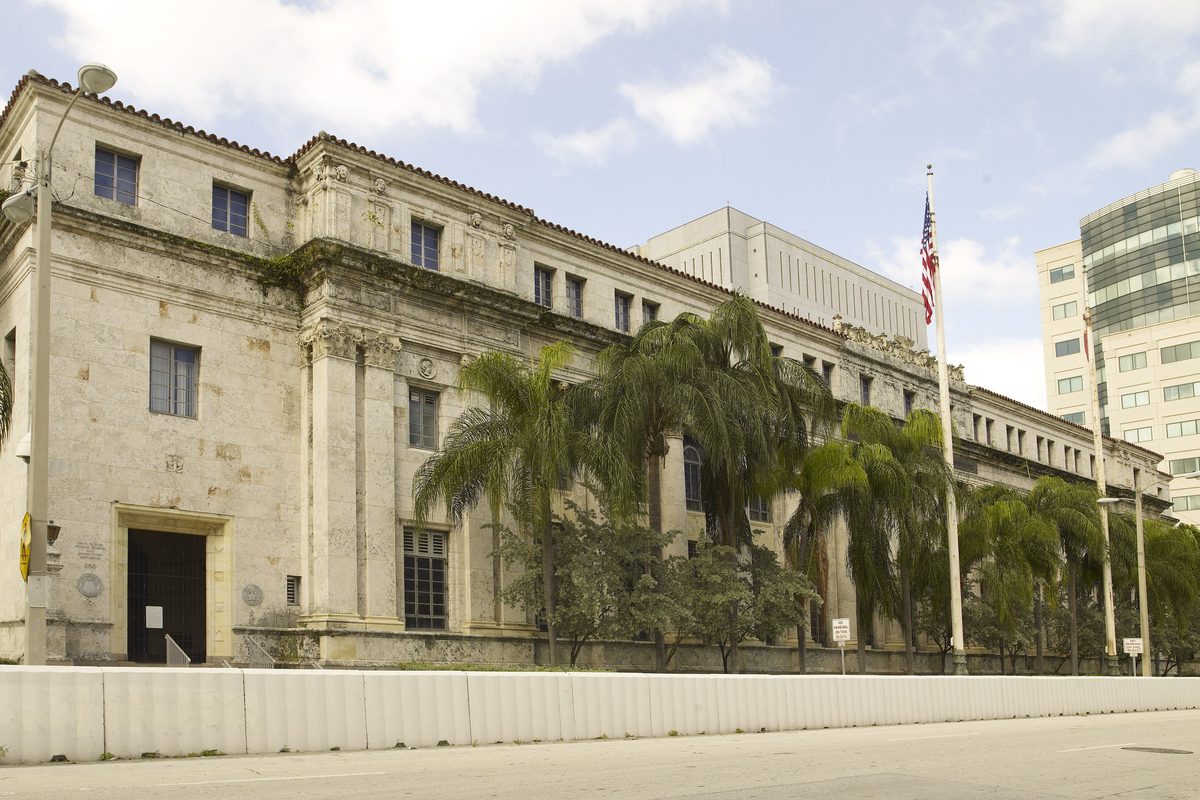
The Middle District of Florida has five divisions: Tampa, Orlando, Jacksonville, Fort Myers, and Ocala. Its Tampa Division sits at the Sam M. Gibbons United States Courthouse on North Florida Avenue downtown and serves Hillsborough, Pinellas, Pasco, Polk, Manatee, Sarasota, and Hardee Counties. The U.S. Attorney’s Office for the district is headquartered in Tampa. (See our pages on the Middle District of Florida and Hillsborough County.)
The Southern District of Florida holds court in Miami, Fort Lauderdale, West Palm Beach, Fort Pierce, and Key West. Its U.S. Attorney’s Office is based in Miami. The district covers Miami-Dade, Broward, Palm Beach, Monroe, Martin, St. Lucie, Indian River, Okeechobee, and Highlands Counties. (See our Southern District of Florida page.)
In both districts, grand jury investigations are run by Assistant U.S. Attorneys, and a target letter generally comes from one of them. The letterhead and signature usually show which office is involved, which points to where any case would be filed.
Why a Tampa Resident Might Hear From Miami, or the Reverse
Your home address does not settle which district investigates. Federal criminal cases are generally brought where the alleged conduct took place. The Middle District’s own local rules call for a criminal case to begin in a division where at least one defendant is alleged to have committed a charged offense. With online and financial activity, “where it took place” can mean more than one location.
Someone in Hillsborough County could receive a letter from the Southern District if, for example, the alleged victims, the business at the center of the investigation, the bank accounts, or the computer servers are tied to South Florida, or if the agents running the case work out of Miami. The reverse can happen too. When more than one district has a reasonable connection, the offices sort out among themselves who takes the lead.
Federal Investigations in Florida Where Target Letters Come Up
Target letters can appear in nearly any kind of federal grand jury investigation. In Florida, they often arise in matters involving:
- computer and internet crimes, including allegations about online accounts, unauthorized access, or digital files (see our computer and internet crimes page),
- health care fraud, which the Justice Department pursues in part through a strike force devoted to Florida,
- pandemic-era loan programs such as PPP, along with bank, wire, and investment fraud (see our white collar and financial crimes page), and
- drug conspiracy investigations that reach across counties or through ports (see our drug charges page).
State or federal court for computer cases around Tampa Bay: Internet Crime Charges in Tampa Can Land in State or Federal Court.
“Target” Versus “Subject” Under Justice Department Policy
Federal prosecutors in both districts follow the Justice Manual, the Department of Justice’s internal policy guide. A target is someone the prosecutor or grand jury has substantial evidence connecting to a crime and whom the prosecutor regards as a probable defendant. A subject is a wider category: anyone whose conduct falls within what the grand jury is examining.
The Manual encourages prosecutors, in suitable cases, to let a target know before an indictment is sought, early enough that the person can ask to appear before the grand jury. It also recognizes that notice does not fit every case. So plenty of people charged in federal court in Florida never receive a letter, and receiving one tells you the prosecutor chose to give notice.
The Time Between a Letter and an Indictment
A federal target letter in Florida usually lands while the grand jury investigation is still open. That stretch, before any indictment is returned, is often when a defense lawyer has the most room to work. Depending on the case, counsel may be able to learn which agency is involved and what the prosecutor is focused on, open a line of communication with the Assistant U.S. Attorney, and think through with care whether any meeting or grand jury appearance would help or hurt. None of those choices comes with a predictable outcome.
Over the course of many federal matters, Attorney Ron Frey has seen how much changes once an indictment becomes public: an arrest or summons, a hearing on release, and a schedule that moves on the court’s terms. Using that time is usually wiser than waiting.
Agents, Phone Calls, and “False Friends”
Agents sometimes call or knock around the time a letter arrives, and the instinct is to set the record straight. Drawing on years of handling cases in both state and federal court, Attorney Ron Frey’s general advice to anyone contacted by agents is to exercise the right to remain silent and contact an attorney before making any statements about the investigation.
A business partner, an employee, a group chat, or an AI chatbot can each turn out to be a “false friend,” something that later becomes a source of evidence. Records held by banks, platforms, and cloud services can be obtained in federal investigations. What you need to talk through belongs in a confidential conversation with your own lawyer.
For a general explanation of target letters that isn’t specific to Florida, see our national overview on InternetCrime.com: what a federal target letter means.
Florida Target Letter FAQ
Which federal district covers Tampa?
The Middle District of Florida. Its Tampa Division handles Hillsborough, Pinellas, Pasco, and four other nearby counties.
Which federal district covers Miami?
The Southern District of Florida, whose U.S. Attorney’s Office is headquartered in Miami.
Can a letter come from a district where I don’t live?
Yes. Federal cases generally follow where the alleged conduct happened, not where the person lives.
If I get a federal target letter in Tampa, are charges certain?
No. It means prosecutors view you as a likely defendant. It should be treated as urgent. Attorney Ron Frey generally advises speaking with an attorney before making any response.
A Federal Target Letter in Tampa or Miami? Let’s Talk.
If you would like to speak with an experienced criminal defense lawyer about a federal target letter or investigation in the Middle or Southern District of Florida, or you have further questions, don’t hesitate to contact Attorney Ron Frey of The Frey Law Firm, LLC. Your consultation is free and confidential. You can talk with us by phone, by video, or at our Tampa office, and when the situation calls for it, we can come to you.
Call or text (813) 775-2276. Rapid response, 24/7.
This post is for general information only. It is not legal advice, and reading it or contacting us does not create an attorney-client relationship.
Federal law and Justice Department policies change over time, and how they apply depends on the facts of each case and on how courts interpret them. Please don’t rely on this post, or on any other information online, to make decisions about your situation. Talk with a lawyer.