Criminal Charges?
CALL NOW
CALL NOW





A federal investigation is not just a bigger version of a state case. The agencies are different, the prosecutors are different, the rules are different, and the stakes are often higher. If federal agents have contacted you, searched your home, or seized your phone or computer, or you’ve received a grand jury subpoena or a target letter, what you do next matters.
Attorney Ron Frey of The Frey Law Firm, LLC is admitted to practice in the U.S. District Court for the Middle District of Florida and defends people in federal investigations and prosecutions from our office in downtown Tampa. Before you talk to agents, call: (813) 775-2276 or toll-free (844) 766-3739. Your consultation is free and confidential. Rapid response, 24/7.
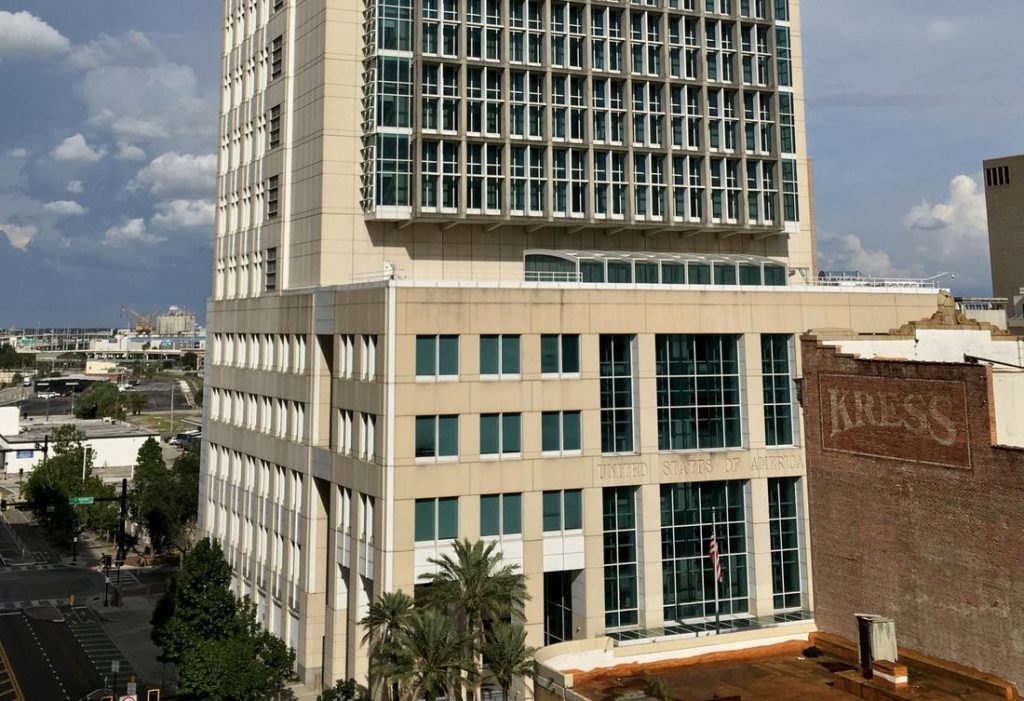
The Middle District of Florida covers 35 counties, from Jacksonville to Fort Myers, and is split into five divisions. Each division has its own courthouse:
| Division | Courthouse | Counties served |
|---|---|---|
| Tampa | Sam M. Gibbons United States Courthouse, Tampa | Hardee, Hillsborough, Manatee, Pasco, Pinellas, Polk, Sarasota |
| Orlando | George C. Young Federal Annex Courthouse, Orlando | Brevard, Orange, Osceola, Seminole, Volusia |
| Jacksonville | Bryan Simpson United States Courthouse, Jacksonville | Baker, Bradford, Clay, Columbia, Duval, Flagler, Hamilton, Nassau, Putnam, St. Johns, Suwannee, Union |
| Fort Myers | United States Courthouse and Federal Building, Fort Myers | Charlotte, Collier, DeSoto, Glades, Hendry, Lee |
| Ocala | Golden-Collum Memorial Federal Building and United States Courthouse, Ocala | Citrus, Hernando, Lake, Marion, Sumter |
Under the court’s local rules, the government generally must start a criminal case in a division where at least one defendant is accused of committing a charged offense. A judge can move a case to the division it is most closely connected to. Attorney Frey’s admission to the Middle District covers all five divisions.
Who investigates. State cases usually start with a sheriff’s office or police department. Federal cases are investigated by federal agencies such as the FBI, Homeland Security Investigations, or the Secret Service, sometimes working with local task forces.
Who prosecutes. In the Middle District, federal crimes are prosecuted by the U.S. Attorney’s Office for the Middle District of Florida, not the local State Attorney.
How cases begin. Federal investigations often run quietly for months before anyone is charged. People first learn about them through a search warrant, a grand jury subpoena, a target letter, or a visit from agents who want to “just talk.” Serious federal charges are usually brought by grand jury indictment.
What happens after an arrest. A person charged federally goes before a U.S. Magistrate Judge for an initial appearance. In many cases the government asks to hold the person until trial, which leads to a detention hearing. That hearing can shape the rest of the case.
Sentencing. Federal sentences are shaped by the federal sentencing guidelines, a separate system from Florida’s. Understanding how the guidelines may apply is part of evaluating any federal case from the start.
Overlap. Some conduct can be charged in state court, federal court, or both. Which way a case goes is often decided early, sometimes before the person under investigation knows it is happening.
A large share of federal investigations now involve digital evidence: phones, computers, cloud accounts, messaging apps, and records requested from technology companies. Computer and internet crimes are a major part of Attorney Frey’s practice, and many of the people involved have never been in trouble before.
AI has added a new layer. Federal laws on sexual depictions of minors, the TAKE IT DOWN Act, and wire fraud and identity theft laws can all come into play when AI tools are involved, and courts are still working out how these laws apply. These cases often begin with a platform report or a records request, long before agents knock on a door.
In digital cases, the questions Attorney Frey looks at include how the evidence was gathered, whether the searches were lawful, what the forensic facts actually show, and whether the case belongs in federal court at all. Learn more:
Attorney Frey also defends people facing white collar and financial crimes such as fraud, federal drug charges, and federal sex offenses, along with appeals of federal convictions. See our main federal offenses page for more.
Attorney Ron Frey has over 20 years of experience defending people in state and federal criminal cases. He is admitted to practice before the U.S. District Courts for the Middle and Southern Districts of Florida and the Supreme Court of the United States. His office is in downtown Tampa, the same downtown as the Tampa Division courthouse. He will explain the federal process in plain English and what your options may be. No lawyer can promise a result, but you should understand where you stand before you speak with agents or prosecutors.
Your consultation is free and confidential. You can talk with us by phone, by video, or at our Tampa office, and when the situation calls for it, we can come to you, wherever in the Middle District your case is. Call (813) 775-2276 or toll-free (844) 766-3739. Rapid response, 24/7. Learn more about Attorney Ron Frey.
This page provides general information only and is not legal advice. Federal law and court procedures can change, and how they apply depends on the facts of each case. Reading this page or contacting The Frey Law Firm, LLC does not create an attorney-client relationship.