






The 13th Circuit State Attorney’s Office: Who Prosecutes Cases in Hillsborough County


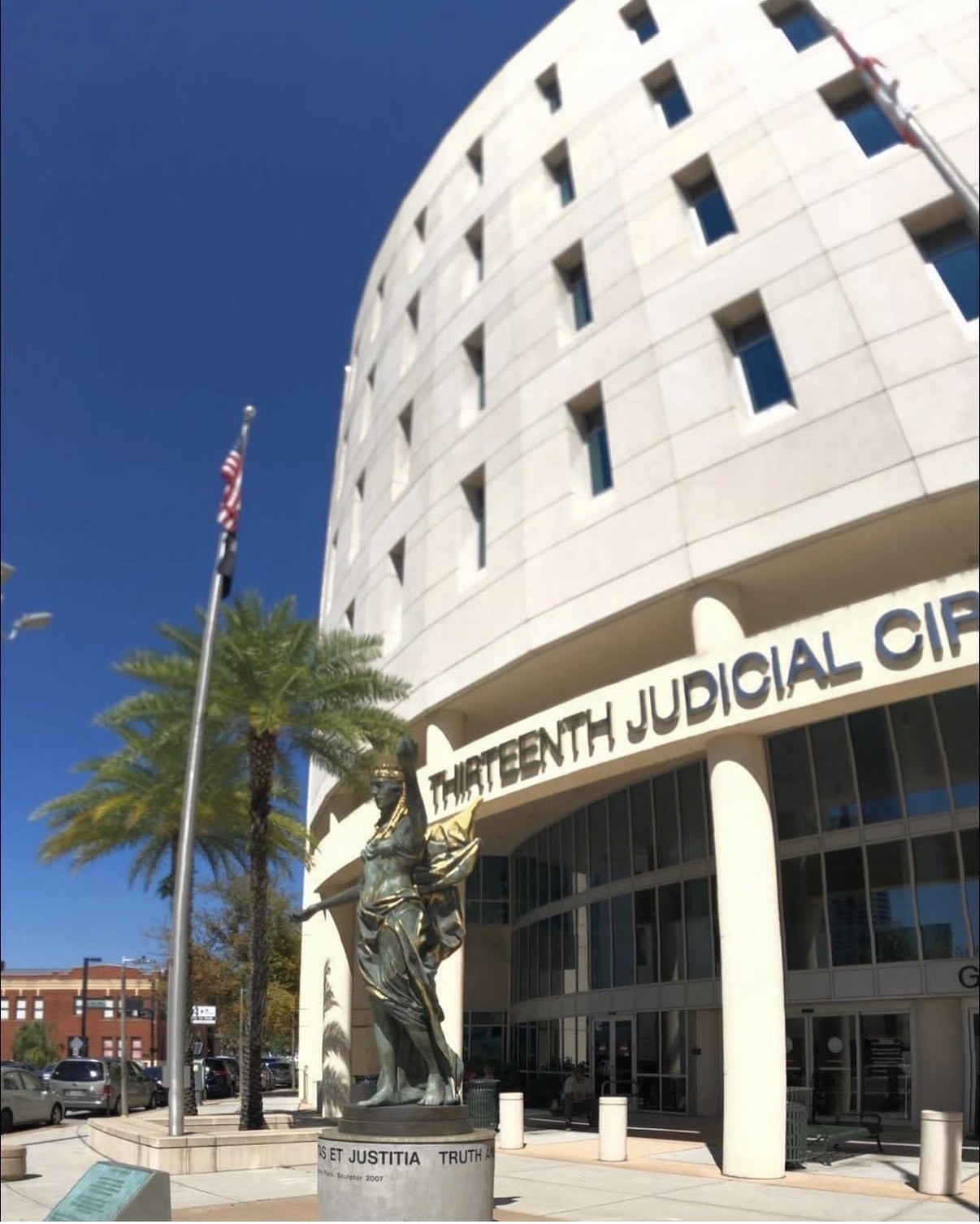
If you or a friend or family member was arrested in Hillsborough County, the case will generally be prosecuted by the Office of the State Attorney for the 13th Judicial Circuit. This page explains, in general terms, what that office does and how cases move through it. For an overview of all prosecuting offices in Florida, see Who Is Prosecuting My Case in Florida?
What the 13th Circuit Covers
The 13th Judicial Circuit is made up of Hillsborough County, including the cities of Tampa, Temple Terrace and Plant City. The office is led by an elected State Attorney, who serves a four-year term. The office’s own website describes a staff that includes more than 130 Assistant State Attorneys, along with investigators, victim advocates and support staff.
The office’s main location is 419 N. Pierce Street, Tampa, FL 33602, in downtown Tampa near the county courthouse.
Who Is an Assistant State Attorney?
Assistant State Attorneys (ASAs) are lawyers who prosecute cases on behalf of the State of Florida. They review arrest reports and evidence, decide what charges to file, appear in court, and handle negotiations and trials. A person may see more than one ASA over the life of a case, for example one at first appearance and another assigned to the courtroom where the case is pending.
Felony and Misdemeanor Cases
The State Attorney prosecutes violations of state law throughout the county, including:
- Felonies, which are heard in circuit court.
- Misdemeanors, which are heard in county court, such as many DUI, petit theft, trespass and disorderly conduct cases.
- Juvenile cases, which follow their own procedures.
An arrest by the Tampa Police Department, the Hillsborough County Sheriff’s Office, the Florida Highway Patrol or another local agency is still generally a State Attorney case. City police do not prosecute their own arrests in county court.
Prosecutors are typically organized into divisions that line up with the courtrooms where cases are heard, and some handle specialized types of cases. Division assignments can change, and a lawyer can check which division and which prosecutor are assigned to a specific case.
How a Case Is Assigned
In general terms, a Hillsborough case moves like this:
- Arrest and booking, often at the Orient Road Jail.
- First appearance before a judge, where release and bond are addressed.
- Filing decision. An ASA reviews the case and decides whether to file formal charges, which charges, or no charges.
- Assignment to a courtroom division, where an ASA handles the case going forward.
- Arraignment and later court dates.
For a general explanation of the arraignment process, see what an arraignment is in Florida.
Diversion and Specialty Courts
Depending on the charge and a person’s history, some cases may be considered for diversion or for a specialty court. Eligibility depends on the facts and the office’s policies. A lawyer can explain whether any option may be worth discussing.
Communicating With the Prosecutor
A lawyer handles communication with the prosecutor. Statements made to anyone connected with a case can become evidence. If you face any stop, search, seizure, inquiry, investigation, arrest or target letter, contact a lawyer.
How Attorney Ron Frey Can Help
Attorney Ron Frey has been practicing law for over two decades and represents people charged in Hillsborough County courts. The Frey Law Firm is located at 625 E. Twiggs St., Tampa, a short walk from the courthouse.
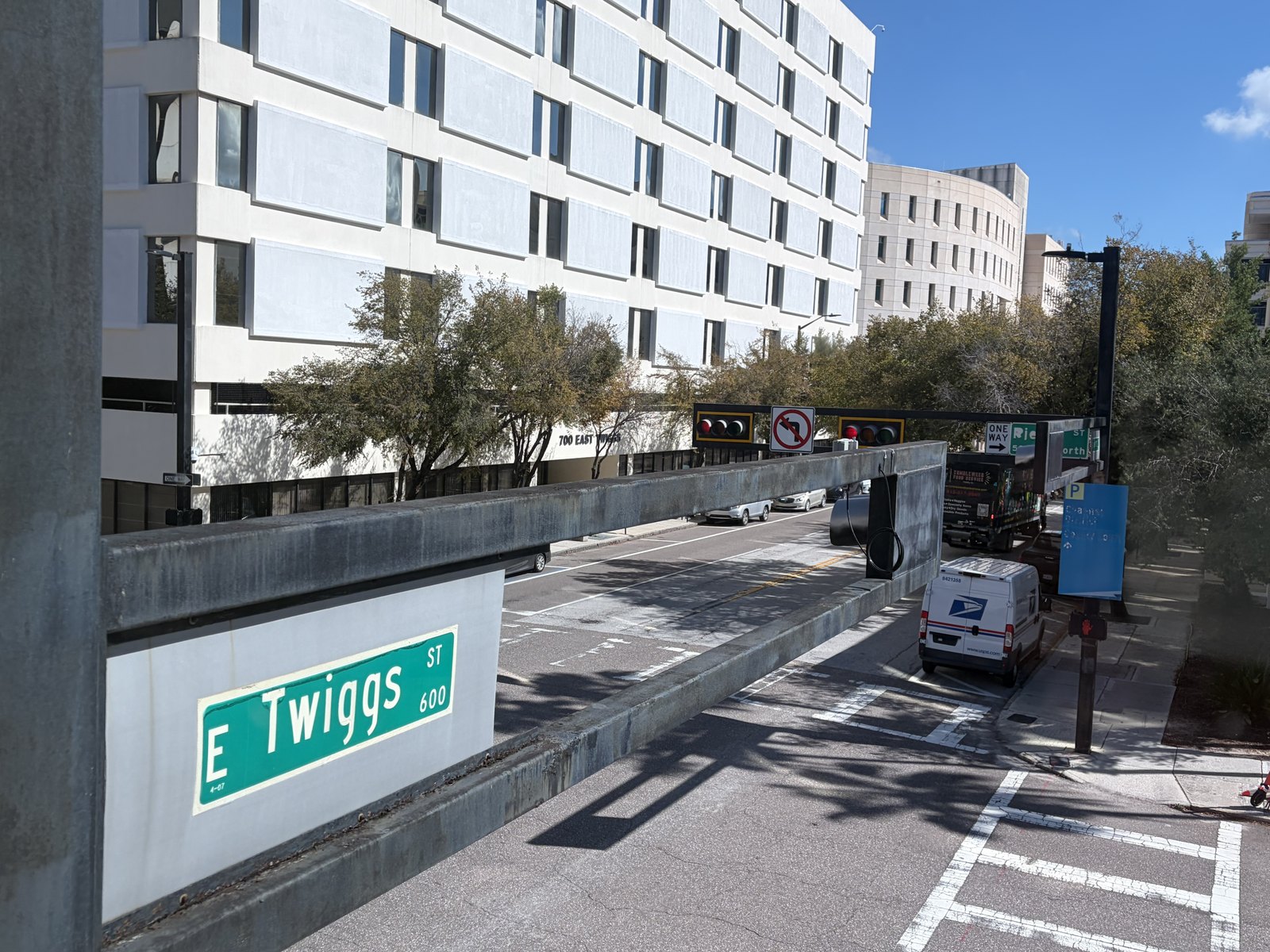
Every case is different. Attorney Ron Frey offers a free, confidential consultation by phone, video, or in person. Call (813) 775-2276; the line is answered 24/7.
Frequently Asked Questions
Who prosecutes a Tampa Police arrest?
Generally the Office of the State Attorney for the 13th Judicial Circuit.
Are misdemeanors in Hillsborough County prosecuted by the State Attorney?
Yes. Misdemeanors under state law heard in county court are generally prosecuted by the State Attorney’s Office.
How do I find out which prosecutor has my case?
A lawyer can check the court record and the division assignment and handle communication with the assigned prosecutor.
Can the State Attorney decline to file charges after an arrest?
Yes, an arrest does not mean charges will be filed. The office reviews each case.