





Arraignment in Hillsborough County: Your Next Step After a Tampa Arrest


Bonded out of jail in Tampa and holding paperwork with an arraignment date on it? You are not alone, and you are not behind. An arraignment in Hillsborough County is a routine early hearing, not a trial. You are generally required to attend, but an attorney may be able to file paperwork that excuses you from appearing.
Below is a general, step-by-step look at how arraignment usually works in Hillsborough County at the time of this writing. Local procedures change and every case is different, so for answers about your own case, call or text Attorney Ron Frey for a free and confidential consultation at (813) 775-2276 or toll-free at (844) 766-3739.
The Laws Involved
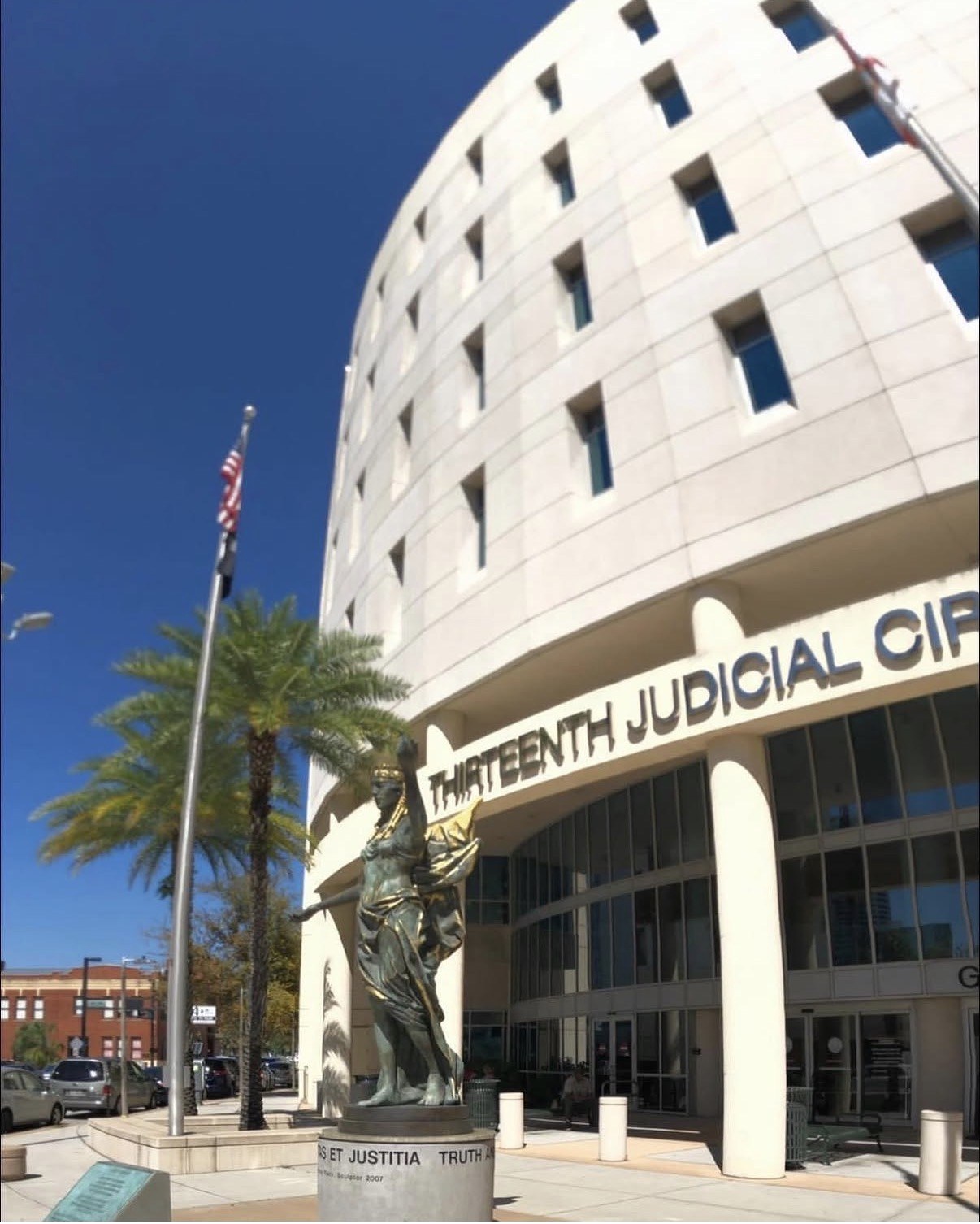
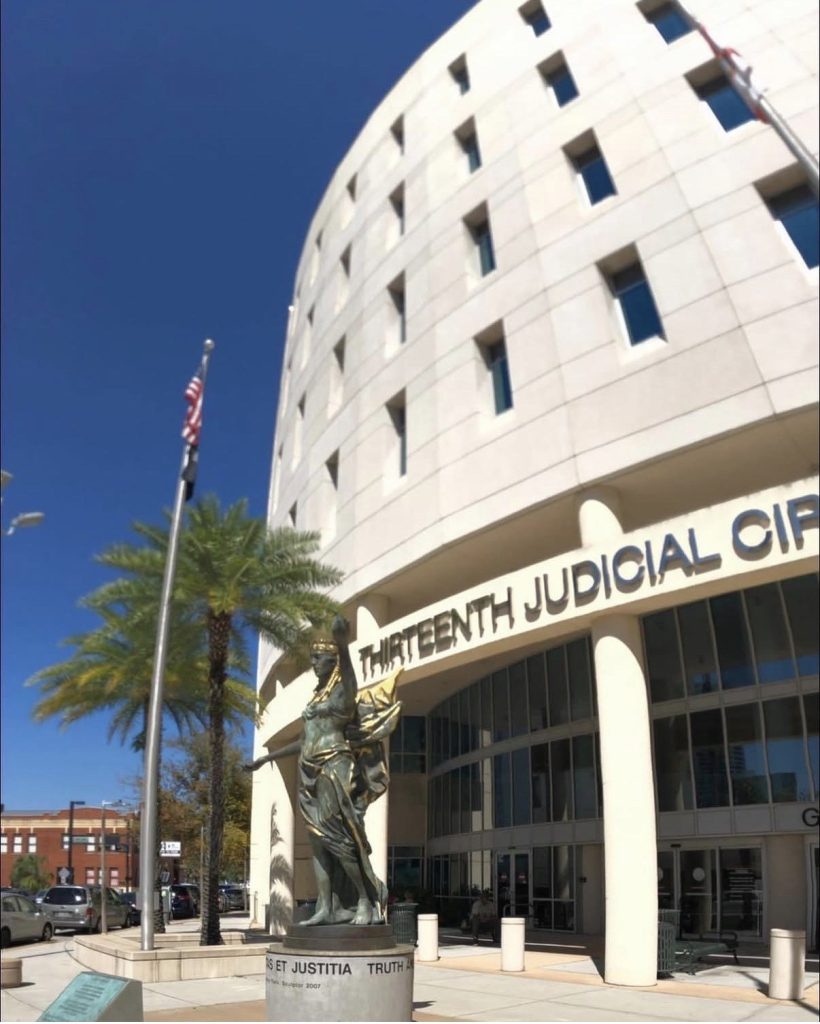
In Florida, the arraignment process is generally governed by Rule 3.160, Florida Rules of Criminal Procedure (Arraignment), which addresses how a defendant is formally told of the charges and asked to enter a plea, including the option for a represented defendant’s attorney to file a written plea of not guilty. Related rules include Rule 3.180 (Presence of Defendant) and Rule 3.134 (Time for Filing Formal Charges), which addresses how long the State generally has to formally charge someone after an arrest. Hillsborough County cases are heard in Florida’s Thirteenth Judicial Circuit, which also issues its own administrative orders on how criminal cases are scheduled. As always, laws are subject to change and revision, so contact Attorney Ron Frey to discuss the details of your case and the current status of the law.
The Road From a Hillsborough Arrest to Arraignment
Most Hillsborough County cases follow the same general path:
1. Arrest and booking. A person arrested in Tampa, Brandon, Plant City, or elsewhere in the county is generally booked into one of the county’s jails. 2. First appearance. Anyone still in custody generally sees a judge within 24 hours at first appearance, where probable cause, bond, and release conditions are addressed. 3. The State Attorney’s review. Prosecutors at the Thirteenth Circuit State Attorney’s Office review the reports and decide what charges, if any, to formally file. The charges in court can end up different from the ones listed on the arrest paperwork. 4. Notice of arraignment. Once charges are filed, the clerk generally sends written notice of the arraignment date. People who are still in custody are generally arraigned sooner than people who have been released.
Misdemeanor cases are handled in County Court and felony cases in Circuit Court, but the arraignment step works in a similar way in both.
You Are Generally Required to Attend
In general, a person charged with a crime in Hillsborough County is expected, and ordered, to appear at the arraignment. Missing it can result in the court issuing a warrant for the person’s arrest. No one should read this page and assume they don’t have to go.
The One Exception: A Written Plea and Waiver Your Attorney Confirms
Florida’s rules allow a defendant’s attorney to file a written plea of not guilty and a waiver of arraignment. In Attorney Ron Frey’s general practice, when he is retained, he typically files a written waiver of arraignment along with a written plea of not guilty so the client can be excused from appearing. He takes the steps to confirm that everything was properly filed, submitted to the court, and accepted in time before he confirms that a client does not need to appear.
Unless your attorney has confirmed this for your case, plan to attend your arraignment. Contact Attorney Ron Frey to discuss whether a written plea of not guilty and waiver of appearance can be filed in your case.
If You Go to Arraignment on Your Own
A person without an attorney is expected to attend. The judge generally confirms the charges, addresses the right to an attorney, and asks for a plea. It can be tempting to plead guilty or no contest just to be finished, especially on a misdemeanor, but a plea can leave a lasting record. It is generally wise to speak with an attorney before entering any plea other than not guilty.
After Arraignment: Disposition Dates and Pretrial Dates
Once a not guilty plea is entered, the case moves into the pretrial stage. The defense can request discovery, meaning the evidence the State has, and look at possible motions and options. In Hillsborough County, the next court dates are often called disposition dates or pretrial dates. Diversion programs exist in Hillsborough County, and some people may qualify. Our post on Hillsborough pretrial intervention explains more.
A Short Checklist While You Wait
- Keep your release paperwork and any court notices together.
- Make sure the clerk has your current mailing address.
- Follow every bond and release condition.
- Avoid discussing the case on recorded jail calls, by text, or on social media.
Attorney Ron Frey generally advises anyone who has been arrested or contacted by law enforcement to use the right to remain silent and speak with an attorney before making any statement.
Hillsborough Arraignment Questions We Hear Often
I bonded out. Do I still have an arraignment?
Generally yes. Release on bond does not end the case. The arraignment is still set once formal charges are filed, and you are generally required to attend unless your attorney has filed a written plea and waiver that the court accepted, and has confirmed you don’t need to appear.
Can a family member hire an attorney for me?
Yes. Families often make the first call, especially while a loved one is still in custody. The attorney still represents the person charged and works with them directly.
What if my arraignment notice never arrived?
Notices can be delayed or sent to an old address. An attorney can check the court record and confirm the date.
What if I miss my arraignment?
Missing an arraignment can result in the judge issuing a warrant for your arrest. If you’ve missed a date, or think you might, call an attorney right away.
Is arraignment the time to tell the judge my side?
Generally no. Arraignment is not the place to explain what happened, and anything said in court can be used later. Your attorney can decide how and when your side is presented.
Have a Hillsborough County Arraignment Date? Call Attorney Ron Frey.
Attorney Ron Frey has over 20 years of experience defending people in Tampa and throughout Hillsborough County, in both misdemeanor and felony cases. Call or text for a free and confidential consultation at (813) 775-2276 or toll-free at (844) 766-3739. You can also read our overview of arraignment in Florida, learn more about our Hillsborough County criminal defense work, or see what to do when a family member is arrested.
This post is general information at the time of this writing and is not legal advice. Laws and local procedures change, so contact an attorney about your specific situation.