





When Police Rely on Video but Fail to Preserve It


Criminal cases are not only about the evidence law enforcement collects. They are also about the evidence law enforcement fails to preserve. A failure to preserve video evidence, or any evidence that could readily prove or disprove a crime, goes straight to the integrity of the investigation and to the credibility of the officers who handled it.
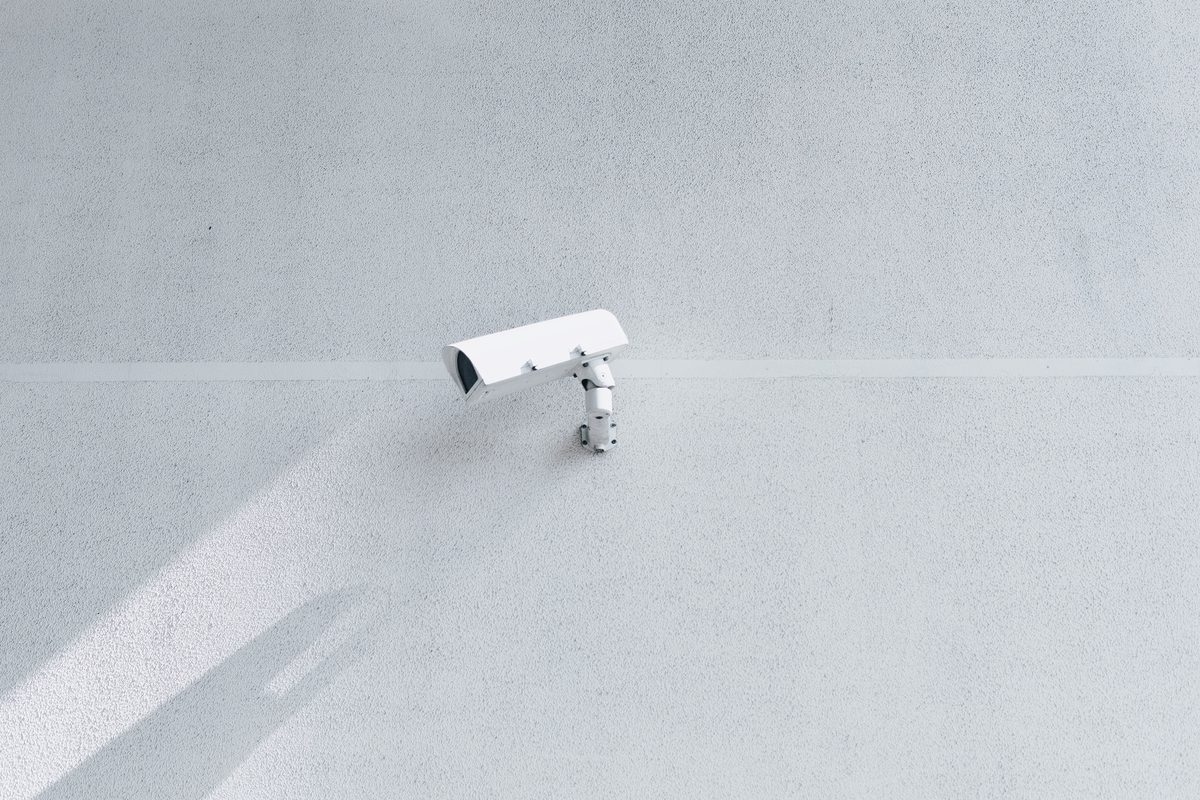
Cameras now watch businesses, homes, intersections, parking lots, and patrol cars, and many officers wear one on their uniform. So when someone is accused of a crime, the question isn’t only what a camera may have recorded. It’s also whether anyone bothered to keep it. (I’ve written before about how much of daily life now ends up on camera in Surveillance of Crime and Digital Evidence.)
A Recent Hillsborough County Case
I recently represented a client in a Hillsborough County case involving several serious alleged charges: driving under the influence, leaving the scene of an accident, and falsifying information.
As I reviewed the case, I quickly realized that law enforcement had relied on video surveillance as part of its investigation but had not properly secured that video. In my view, that failure raised serious due process and fair-trial concerns. It left the defense without evidence it was entitled to examine, even though the investigation itself had leaned on it. Ultimately, the initial charges were dismissed.
Past results do not guarantee a similar outcome in any other case. Every case is different, and each one turns on its own facts, evidence, and circumstances.
Why Unpreserved Evidence Matters
When police fail to preserve evidence, especially evidence that could readily prove or disprove a crime, the defense may have a number of options. Broadly speaking, they fall into two groups:
- Constitutional issues. Failing to preserve and secure evidence can raise due process and fair-trial questions that may need to be addressed by the court.
- Weight-of-the-evidence issues. If a case goes to trial, gaps in the investigation can bear on how much weight a jury gives the evidence that remains, and on how much it trusts the people who gathered it.
Whether a failure to preserve video evidence leads anywhere in a particular case depends on what was lost, why it was lost, and what it might have shown. That’s a conversation for a lawyer who has reviewed the whole file.
I Always Ask What Was Left Behind
With cameras nearly everywhere, whenever a person faces a criminal allegation, I always make it a point to understand what surveillance may have been left behind and never explored by law enforcement. Was there a camera that could have captured the moment? Did officers request the footage? Did they watch it, rely on it, and then fail to secure it?
Missing surveillance video in a criminal case is not a technicality. When police failed to preserve evidence they themselves relied on, that fact can say a great deal about how the investigation was handled. Video that never made it into the file can matter as much as video that did. Sometimes the most important evidence in a case is the evidence nobody kept.
Every Camera Raises the Same Question
The same thinking applies to every kind of surveillance: license plate reader cameras, body-worn cameras, business security systems, and whatever comes next. I recently wrote about the questions raised by license plate reader evidence, and earlier about body cameras in Hillsborough County. More cameras mean more potential evidence. They also mean more places where evidence can be overlooked, mishandled, or never collected at all.
That’s especially true in alleged DUI and traffic cases, where video can play a large role in how an investigation unfolds. (See our page on DUI and traffic violations in Tampa.) On our national site, we’ve also discussed what happens when the government fails to preserve digital evidence.
Questions About Missing Video in Your Case? Let’s Talk.
If you would like to speak with an experienced criminal defense lawyer about missing video, surveillance evidence, or how a failure to preserve evidence could affect an investigation or case in Florida, or you have further questions, don’t hesitate to contact Attorney Ron Frey of The Frey Law Firm, LLC. Your consultation is free and confidential. You can talk with us by phone, by video, or at our Tampa office, and when the situation calls for it, we can come to you.
Call or text (813) 775-2276. Rapid response, 24/7.
This post is for general information only. It is not legal advice, and reading it or contacting us does not create an attorney-client relationship.
Laws on surveillance video and digital evidence are changing quickly and vary from state to state, and how they apply depends on the facts of each case and on how courts interpret them. Please don’t rely on this post, or on any other information online, to make decisions about your situation. Talk with a lawyer.