



Driver-Assist vs. Driverless: What Tampa Drivers Need to Know Under Florida Law


Two Very Different Kinds of “Self-Driving” Cars
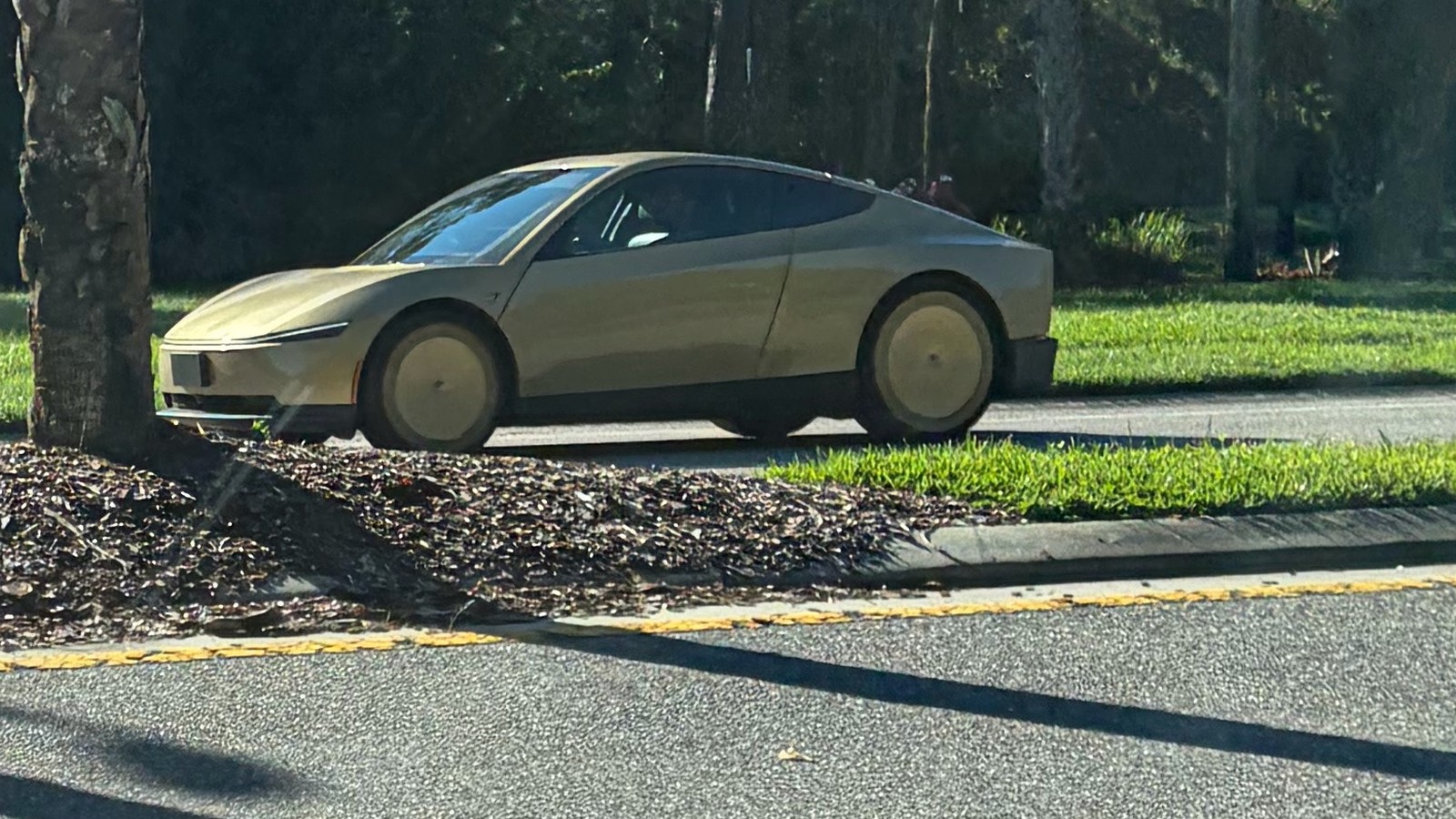
Many cars on Tampa Bay roads can now steer, brake, and change lanes with little input from the person behind the wheel. That does not make them driverless. Florida law draws a line between a car that helps a human drive and a vehicle designed to drive itself with no human operator at all. Knowing which side of that line your car is on matters, especially if you are ever stopped, investigated, or arrested.
Driver-Assist: You Are Still the Driver
Features such as Tesla’s Full Self-Driving (Supervised), Autopilot, adaptive cruise control, and lane-keeping assist are driver-assist systems. Tesla’s own name for its system says it: supervised. The person in the driver’s seat must keep watching the road and be ready to take over at any moment. When a driver-assist feature is engaged, the human driver remains responsible for how the car is driven. Using one of these features does not shift responsibility for a traffic violation or a crime to the carmaker, and it is not a defense in itself.
What Florida Law Says About Fully Autonomous Vehicles
Florida’s traffic code addresses autonomous vehicles in two key places:
- Section 316.003, Florida Statutes, “Definitions.” Subsection (3) defines an “automated driving system” as hardware and software collectively capable of performing the entire dynamic driving task on a sustained basis. It defines a “fully autonomous vehicle” as a vehicle equipped with an automated driving system designed to function without a human operator.
- Section 316.85, Florida Statutes, “Autonomous vehicles; operation; compliance with traffic and motor vehicle laws; testing.” This section allows a fully autonomous vehicle to operate in Florida whether or not a human is physically present, and it provides that the automated driving system, when engaged, is deemed the operator of an autonomous vehicle for purposes of the traffic code.
Those rules are written for systems capable of the entire driving task. A supervised driver-assist feature that requires a human to watch the road is a different thing. If you are behind the wheel of a car using driver-assist, expect police, prosecutors, and courts to treat you as the driver.
Laws change, and how they apply depends on the facts. For questions about your situation, contact Attorney Ron Frey.
DUI, Reckless Driving, and Driver-Assist
Driver-assist features can come up in criminal cases. Florida’s DUI law, section 316.193, Florida Statutes, “Driving under the influence; penalties,” applies to a person who is driving or in actual physical control of a vehicle. Someone who is impaired and lets driver-assist steer is still in the driver’s seat. Section 316.192, “Reckless driving,” covers driving in willful or wanton disregard for the safety of persons or property, and section 316.1925, “Careless driving,” requires driving in a careful and prudent manner. Sleeping, watching videos, or leaving the driver’s seat while driver-assist is engaged can lead to charges under these and other laws.
Every case turns on its facts: what the system was doing, what the driver was doing, and what evidence exists. Modern cars record a great deal of data, and that data can help or hurt. These cases call for careful review, not assumptions about the technology. You can learn more on our DUI and Traffic Violations page.
Your Rights: Any Contact With Law Enforcement Is Reviewed
A case can begin with a traffic stop, but it can also begin with a crash investigation, a search of your car or its data, a seizure of your phone or vehicle, questions from an investigator, or an arrest. Attorney Ron Frey reviews all of it: how the contact began, whether there was a lawful basis for each step, how any search or seizure was carried out, what was said, and how any arrest was made. If you or a friend or family member is facing charges or an investigation involving a car with driver-assist features, contact a lawyer before answering questions or deciding what to do next.
For more on how this technology meets the law, see our earlier post, Tesla Autopilot, Autonomous Vehicles, and the Law.
Every Case Is Different: Talk With Attorney Ron Frey
The details are different in every case, and information on a website can’t simply be applied to your circumstances. Consultations with Attorney Ron Frey are free and confidential, and they can be held by phone, by video, or in person. When the situation calls for it, Attorney Ron Frey can come to you. Call or text (813) 775-2276 to talk about your case or the case of a friend or family member.